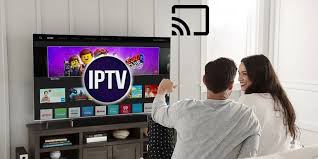
What is IPTV and How Does it Work?
IPTV, or Internet Protocol Television, is revolutionizing the way audiences consume media. Unlike traditional cable or satellite TV, IPTV delivers content over the internet, allowing for flexible viewing options. Users can access live television, on-demand shows, and even catch-up programming without relying on conventional broadcast methods. With advancements in broadband speeds, IPTV has become a reliable alternative for households seeking seamless streaming experiences. This shift is further supported by platforms like iptvking, which centralize channels and provide intuitive interfaces for users to enjoy content efficiently.
Why is IPTV Gaining Popularity Globally?
Statistics indicate that IPTV usage has been growing at a compound annual growth rate of over 15% worldwide. The convenience of accessing diverse channels, the ability to pause or rewind live broadcasts, and the integration of interactive features make IPTV an appealing choice. Additionally, as more smart devices enter homes, the accessibility of IPTV apps has surged, allowing users to stream content on smart TVs, smartphones, and tablets simultaneously. The flexibility offered by these platforms has reshaped traditional TV consumption habits.
What Features Are Users Looking for in IPTV Services?
Modern users prioritize three main features when selecting an IPTV service:
- Channel Variety – Access to international and local channels covering news, sports, entertainment, and lifestyle.
- Content Quality – High-definition streams with minimal buffering are now standard expectations.
- User Experience – Intuitive navigation, customizable playlists, and reliable customer support are critical for retaining subscribers.
Surveys show that over 70% of viewers consider user experience a decisive factor when choosing an IPTV provider, highlighting the importance of platforms that invest in interface design and performance.
How Secure is IPTV Streaming?
Security remains a top concern for users when adopting IPTV. Legitimate IPTV providers employ encryption protocols to safeguard user data and prevent unauthorized access. Regular updates and secure authentication mechanisms help mitigate risks such as hacking or piracy. As internet-based streaming becomes mainstream, users are advised to select services that prioritize cybersecurity, ensuring a safe and uninterrupted viewing experience.
What Devices Support IPTV Streaming?
IPTV is compatible with a wide range of devices, making it accessible to almost any household. Smart TVs, streaming boxes, smartphones, tablets, and computers can all support IPTV applications. Many services also provide multi-device functionality, allowing households to simultaneously watch different channels on separate screens. Device compatibility and ease of setup are increasingly decisive in attracting new subscribers.
What Are the Trends Shaping the Future of IPTV?
The IPTV industry continues to evolve, driven by technological innovation and user preferences. Current trends include:
- Artificial Intelligence Integration – Personalized content recommendations based on viewing habits.
- Cloud DVR Services – Enabling users to record and store content for future playback.
- 4K and 8K Streaming – Delivering ultra-high-definition experiences as broadband speeds increase.
- Interactive Features – Real-time polls, multi-angle viewing, and social sharing enhance user engagement.
Experts predict that IPTV will dominate digital television in the next decade, thanks to these innovations and the ongoing shift from linear TV to on-demand content.
Conclusion
IPTV is no longer a niche service; it has become a mainstream method for consuming television globally. With growing user demands, robust platforms, and technological advancements, the future of IPTV promises even greater flexibility, interactivity, and quality. Choosing a reliable service ensures access to extensive channels, superior streaming quality, and a user-friendly interface, allowing audiences to enjoy television on their terms.